IT company · Software & systems
KOMEKO GmbH builds software and systems that hold up.
We design, connect and maintain business software and the infrastructure it runs on — with a preference for clear structure, careful integration and long-term maintainability.
02 — Overview
An IT company concerned with how systems work together.
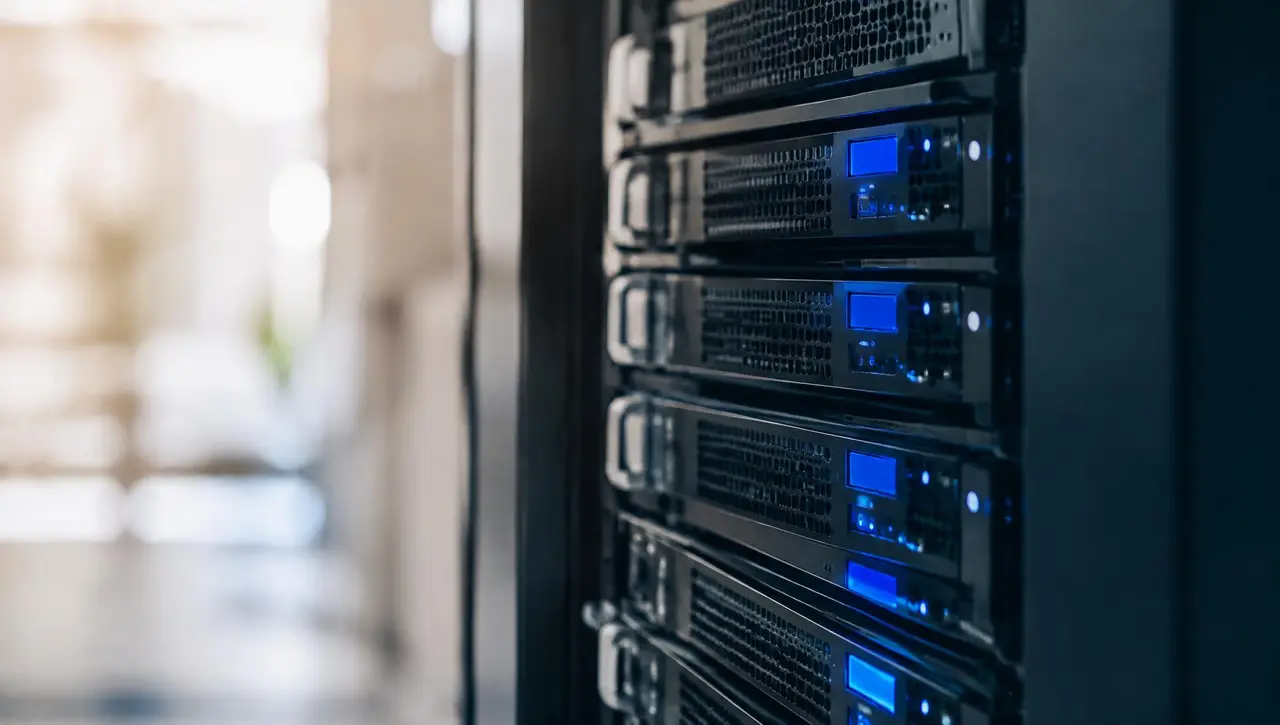
KOMEKO GmbH works on the software and infrastructure that organisations depend on day to day. Our focus is practical: understanding what a system needs to do, building it so it can be understood and changed, and making sure it fits with what already exists.
We work across application development, integration, automation, cloud environments and advisory work — often combining several of these in a single engagement.
03 — Service areas
Five areas of work.
01
Custom software
Applications built around a specific process rather than a generic template.
02
System integration
Connecting existing tools so data moves reliably between them.
03
Workflow automation
Removing repetitive manual steps from everyday operations.
04
Cloud infrastructure
Environments that are reproducible, observable and sensibly sized.
05
IT consulting
Independent assessment of systems, options and trade-offs.
04 — Typical challenges
Where technology tends to get tangled.
- Data duplicated across tools that don't communicate
- Manual steps that are slow and error-prone
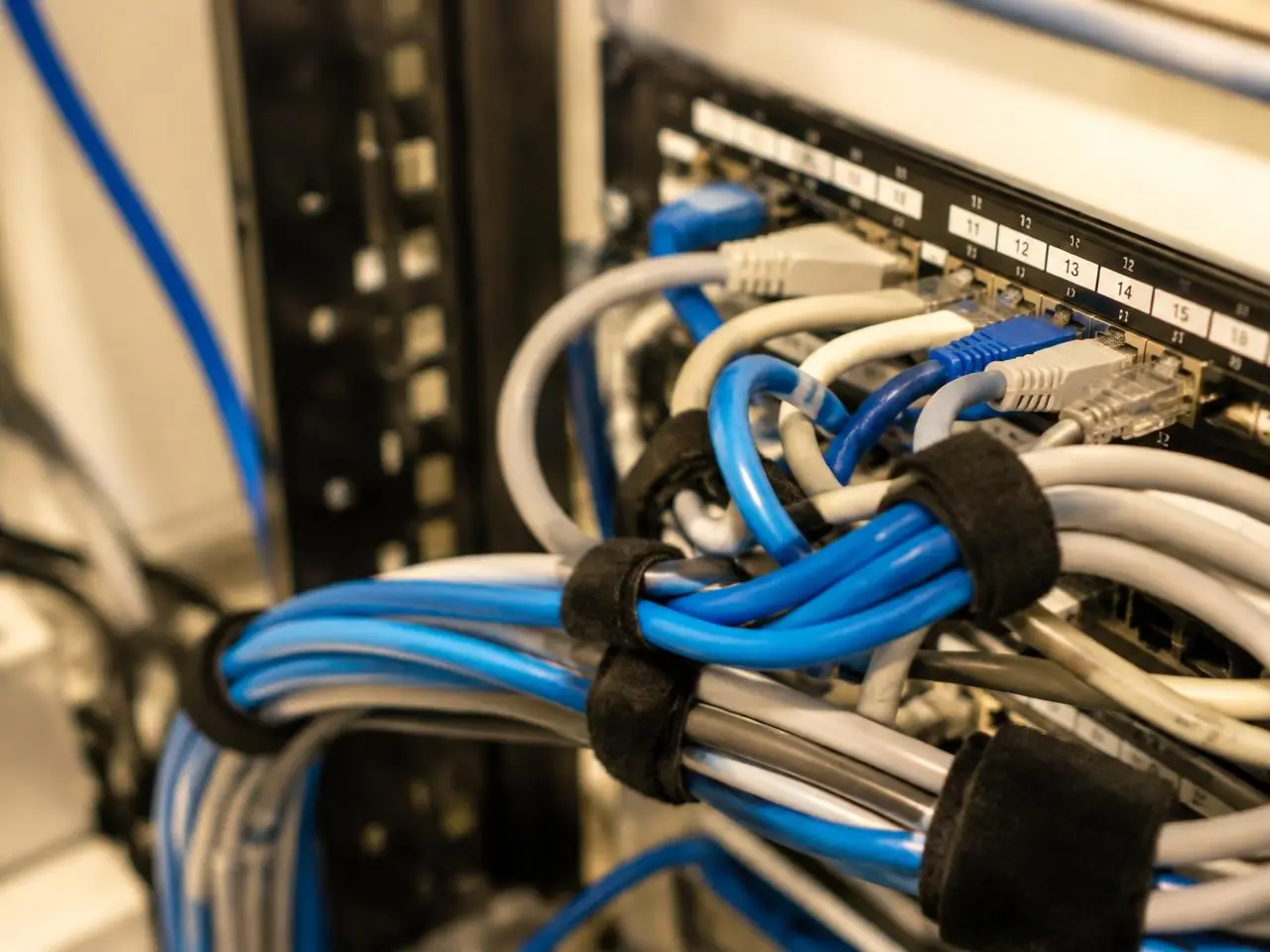
- Ageing systems that few people understand
- Infrastructure that is hard to reproduce or recover
- Unclear ownership after a project ends
05 — Delivery process
From discovery through handover.
01
Discovery
Understanding the goal, the users, the current systems and the constraints.
02
Definition
Agreeing scope, priorities and what a finished result looks like.
03
Design
Choosing architecture and interfaces with maintenance in mind.
04
Build
Short, reviewable increments with working software at each stage.
05
Verification
Testing against the agreed criteria in realistic conditions.
06
Handover
Documentation, access and knowledge transfer to the people who will own it.
06 — Quality
Software quality and maintainability.
- Readable over clever
- Code is written for the next person who has to change it.
- Tested where it matters
- Automated tests focus on business rules and failure-prone paths.
- Small dependencies
- Every library added is a library someone must keep up to date.
- Documented decisions
- Why something was built a certain way is recorded, not just how.

07 — Integration & infrastructure
What we consider before connecting systems.
Interfaces
Stable, versioned APIs and clear data contracts between systems.
Failure handling
Retries, idempotency and visibility when something goes wrong.
Security
Least-privilege access, secret management and auditable changes.
Operations
Monitoring, backups and environments defined as code.
08 — Illustrative scenarios
Examples of the kind of problems we work on.
These are hypothetical examples, not descriptions of past clients or projects.
Example A · Example
A team keeps the same customer data in three separate tools and copies it by hand. An integration layer synchronises the records and flags conflicts for review.
Example B · Example
An internal approval process runs on email and spreadsheets. A small workflow application records requests, routes them to approvers and keeps an audit trail.
Example C · Example
A legacy server hosts several business applications with no recent backups. The workloads are documented, containerised and moved to a managed cloud environment.
09 — Contact